Archive for the ‘China’ Category

Kashgar (Kashi), China

Wednesday, May 16th, 2012

Kashgar (or Kashi as we learnt when booking the airline tickets) is an important Silk Road city as it was the first major hub after travellers from China heading west had passed the hazardous Taklamakan Desert. Kashgar contains a mix of cultures, predominantly the Islamic Central Asian Uyghur people and more recently with new development in the Western China region, Han Chinese. Kashgar boasts one of the largest and liveliest livestock markets in the world.

We visited Id Kah Mosque, the largest mosque in China, a yellow exterior facade, the design was distinctly different to the mosques we had only recently seen in Iran and Central Asia. From the mosque we visited the Afaq Khoja Mausoleum, the holiest Muslim site in Xinjiang. The mausoleum featured colourful mosaics on the minarets and dome.

One of the interesting things was the time zone, in Kyrgyzstan the sun was setting around 8pm local time. Now even though Kashgar is a few hundred kilometres from Kyrgyzstan, all of China uses Beijing time, which is a further two hours ahead. This meant that the sun would be setting around 10pm, not something that we were used to.

The highlight though was the Uighur food.

Minaret of Id Kah Mosque
Id Kah Mosque, the largest mosque in China
Inside Id Kah Mosque
The old mud brick buildings of silk road city Kashgar
The old mud brick buildings of silk road city Kashi
Afaq Khoja Mausoleum, the holiest Muslim site in Xinjiang
Statues reflecting travellers on the old Silk Road

Related posts:

  1. Karakol, Kyrgyzstan to Kashgar, China
  2. China trip wrap-up
  3. China trip behind the scenes
  4. China, here we come!
  5. China flights and hotels

Karakol, Kyrgyzstan to Kashgar, China

Monday, May 14th, 2012

We left Karakol intending to spend the day travelling to Sary Tash, a border town roughly 100km from the Kyrgyzstan/China border, a 950km route that we thought would take approximately twelve hours. We made a few poor judgments, first we left too late, at around 9am from Karakol, we then had trouble finding transport from Karakol, it was low-season, and nobody would go directly to Osh so we had to make do with hoping from one city to another.  Another thing was we planned to cross on the Friday, the border was closed on weekends, and we couldn’t afford to lose another two days waiting for it to reopen.

Our initial transport was a marshrutka (Russian for ‘Fixed Route’), a small slow bus, that stops many times and doesn’t go above 60km/h.  In three hours we reached the Barskoon junction, a measly 80kms from Karakol. We decided to hitchhike as there was no sign of public transport.  Fortunately within ten minutes, two friendly young Kyrgyz men picked us up, who were making pharmaceutical deliveries around Lake Issyk Kol and were then heading back to Bishkek.

The Lonely Planet recommended taking transport from Balykchy, and then towards Naryn and onto Osh.  However we further read that from October to June the Fergana Pass was closed, presumably due to snow cover, this meant we could no longer take the direct route through the centre of Kyrgyzstan and needed to go via Bishkek, an extra 200km journey.  Fortunately, our drivers were going that way.  We stopped for a lunch of traditional Kyrgyz dish beshbarmak (literally ‘five fingers’ as it is traditionally eaten by hand), it is a dish of noodles with lamb and a small slice of horse meat. It was the first time Sonya and I had eaten horse, the way it was cooked was quite spicy.

We reached Bishkek at around four o’clock and headed straight for a tour agency.  During the ride we also happened to read that during May 1st to May 10th the border was closed due to a number of national holidays, we wanted to confirm if it would be open, we were informed that it was, but also reality struck that there wasn’t enough time to reach Sary Tash. We had done the Osh to Bishkek route previously and knew it took around eight hours in daylight.  Osh to Sary Tash would a further three to four hours, then there was the time need to go from Sary Tash to the border, reaching for a planned 9am crossing. If we did attempt it, we would be cutting it extremely close, the driver would be driving all night and through two mountain passes, there was a lot of risk.

After much thought and great disappointment, we eventually decided to fly to Kashgar via Urumqi instead, it was a hard decision to make, but we believe we made the best choice for us. It was particularly painful knowing that if we had planned it a little better this may have worked out differently.

Related posts:

  1. Karakol, Kyrgyzstan
  2. Osh to Bishkek, Kyrgyzstan
  3. Osh, Kyrgyzstan and the Fergana Valley
  4. Altyn Arashan, Kyrgyzstan
  5. China trip behind the scenes

China trip wrap-up

Wednesday, July 2nd, 2008

I thought I would finally get to writing a conclusion to our China trip, only half a year later.

In total we spent a little under $10,000 Australian, for two people, 21 nights. Most of this consisted of airfares, $3000 return to Macau from Perth, and all domestic fares between China’s cities totalling about $2000. The hotels averaged about $100 a night due to being 4 to 5 star.
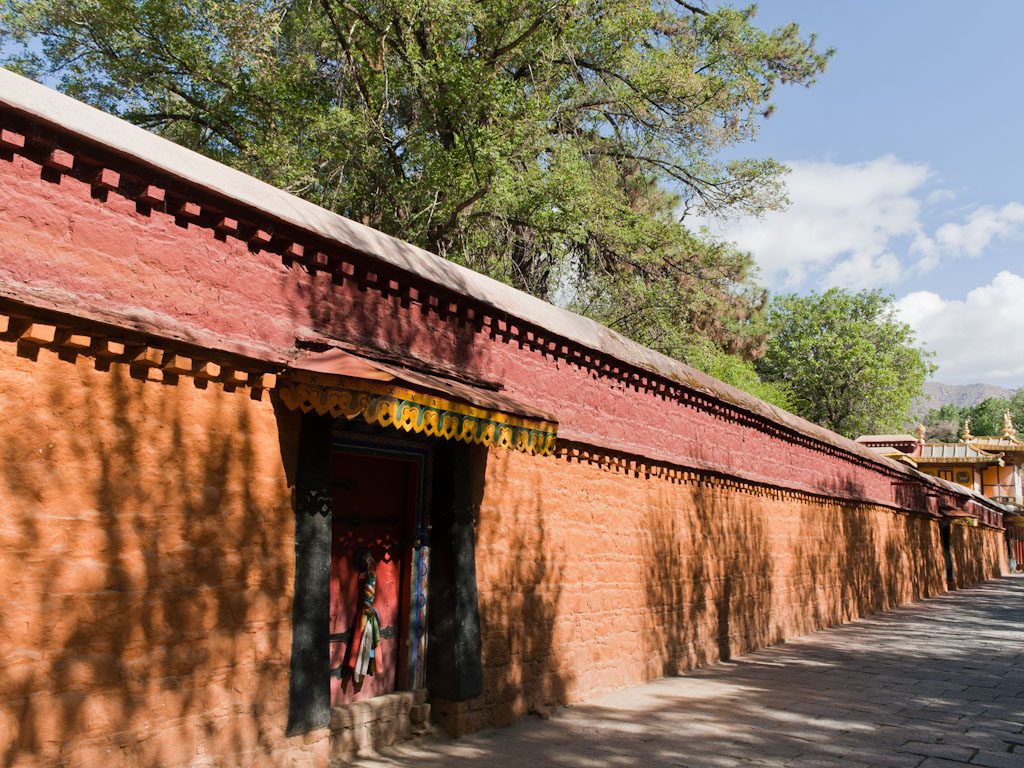
If we do plan to do it again (and we do), we would prefer to stay at inexpensive accommodation, as we both think expensive hotels are a waste. Time permitting; savings can be made on trains between cities.
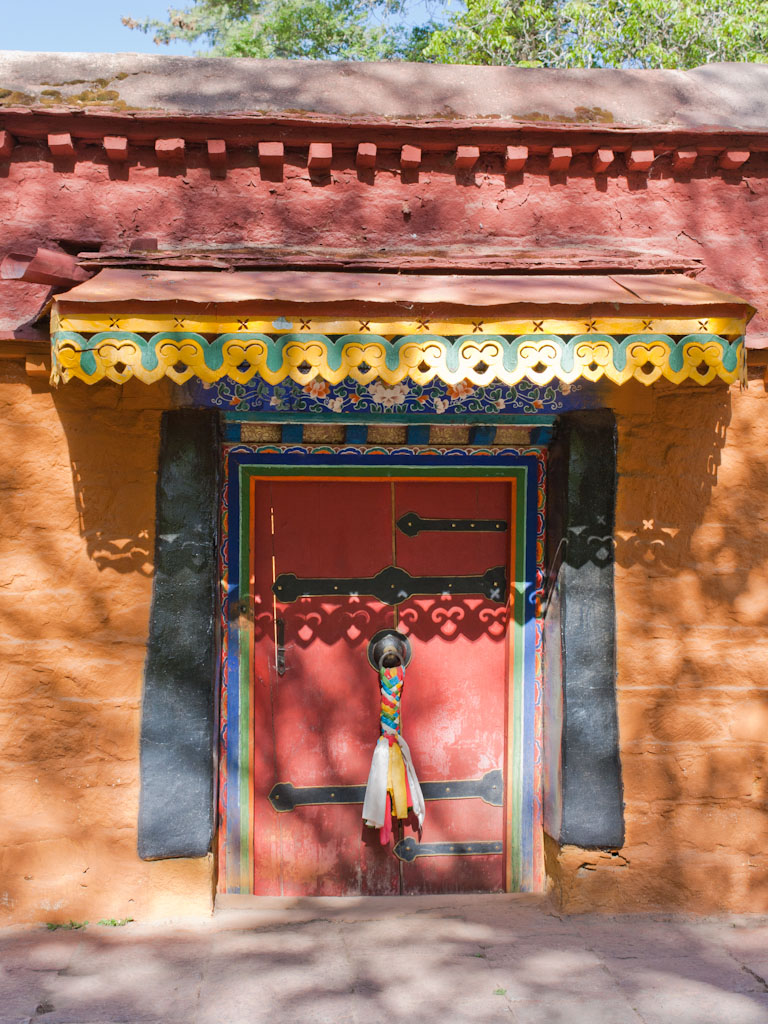
The holiday served to give us a broad view of China most famous tourist sites, next time we will skip the big cities and immerse ourselves in more of China’s unfamiliar history and culture.

We have finally finished updating posts with our travel adventures.

Related posts:

  1. China trip behind the scenes
  2. China flights and hotels
  3. China itinerary
  4. China, here we come!
  5. Macau

Macau

Sunday, January 13th, 2008

Macau was our final destination before heading back home. We had one day (well, actually one night) to immerse ourselves in the Portuguese influenced culture. Arriving fairly late at night via a ferry from Hong Kong, our first thought was to try traditional Portuguese cuisine for dinner. After talking to our hotel reception, Restaurante Platão was recommended as good but a little pricey tradition Portuguese resturant. We decided to give it a go.

Restaurante Platão

Restaurante Platão was a cozy restaurant located off a side street from Largo do Senado.

We started with an entrée of traditional sardinhas assadas (grilled sardines), and a large bottle of Mateus wine. For the mains, again, two traditional foods were ordered; Potato and Bacalhau (codfish) pie and bife com um ovo a cavalo (literally meaning steak with an egg on horseback). The food was nice and a good change from noodles and rice. The bill ended up costing 500HKD, which we thought was quite acceptable.

Sardinhas assadas (grilled sardines)Potato and Bacalhau pie and bife com um ovo a cavalo in the backgroundSonya with a glass of Mateus wine at Restaurante Platao

Historic Centre of Macau

As previously mentioned, Macau has immense Portuguese influenced heritage. The Historic Centre of Macau consists of a number of historic Portuguese buildings and landmarks; with the most famous being Ruins of St. Paul’s and Largo do Senado (Senado Square). It was a bit of a shame that we had to view these at night, the bright building colours were not as evident as hoped and any photography was quite difficult. The lighting did make the Ruins of St. Paul’s look even spookier and Fortaleza do Monte (on a hill next to the ruines) which had minimal lighting was even scarier walking around at night.

Sonya and St. Dominic’s ChurchMe in a quaint alleyLargo do Senado at night
Ruins of St. Paul's at night and surrounding areaRuins of St. Paul's close upSonya next to the wall of Fortaleza do Monte

The Venetian

Finally, how can you not venture into a casino when in Macau? With the name Eastern Las Vegas and actually having a higher gambling revenue than Las Vegas itself, you really can’t. From stepping out of the airport and being presented with the luxurious casino hotel’s courtesy buses, to not being able to turn anywhere without seeing in your face flashing lights and over the top buildings, the casinos in Macau are very evident. Sonya convinced me to check out the Venetian stating it as a must see. She was right, and it was quite enjoyable walking through the lavish interiors and manmade canals.

Big and bright casinos in MacauMe and an extravagant gold statueThe Venetian Venice-themed halls
The interior canalsSonya swinging on a lamp postSonya next to some very large masquarade masks

The following morning we flew back to Singapore and then finally Perth, all sad that our great China trip was all over.

Related posts:

  1. China flights and hotels
  2. China itinerary